Biotoxin exposure has become an increasingly discussed topic in functional and environmental medicine, especially among people dealing with chronic fatigue, brain fog, recurring sinus issues, unexplained inflammation, or prolonged symptoms after spending time in water-damaged buildings. While the body has natural detoxification systems, ongoing exposure to mold and other environmental toxins may place additional stress on these processes.
Many people searching for natural remedies for biotoxin detox are looking for safe, science-informed ways to support their health while reducing exposure to harmful substances. However, there is no single supplement, diet, or quick detox that can instantly eliminate biotoxins. Recovery often involves identifying the source of exposure, improving nutrition, supporting liver and gut health, maintaining hydration, and working with qualified healthcare professionals when appropriate.
This guide explains what biotoxins are, how mold exposure may affect the body, common symptoms, evidence-based lifestyle strategies, nutritional support, and when laboratory testing may help provide additional insights.
Important: This article is intended for educational purposes and should not replace personalized medical advice. If you suspect significant mold exposure or have persistent symptoms, consult a licensed healthcare provider.
What Are Biotoxins?
Biotoxins are naturally occurring toxic substances produced by living organisms. They may originate from mold (mycotoxins), certain bacteria, algae, or other microorganisms. In indoor environments, mold-related biotoxins receive significant attention because they can develop in water-damaged homes, offices, schools, or buildings with ongoing moisture problems.
Not everyone exposed to mold experiences noticeable symptoms. Individual responses may vary depending on factors such as:
-
Overall health
-
Duration of exposure
-
Immune system function
-
Existing respiratory conditions
-
Environmental conditions
-
Genetic differences that may influence inflammatory responses
Rather than focusing solely on detoxification, experts generally recommend addressing both the source of exposure and supporting the body's natural recovery processes.
Common Types of Biotoxins
|
Biotoxin Source |
Example |
Common Setting |
|
Mold |
Mycotoxins |
Water-damaged buildings, damp indoor spaces |
|
Bacteria |
Endotoxins |
Moist environments, contaminated surfaces |
|
Algae |
Algal toxins |
Contaminated water sources |
|
Other microorganisms |
Various toxic compounds |
Environmental exposure, poor indoor air quality |
Common Sources of Biotoxin Exposure
Understanding where exposure occurs is an important first step.
Water-Damaged Buildings Buildings affected by flooding, roof leaks, plumbing issues, or excessive humidity can create conditions that allow mold to grow behind walls, beneath flooring, or inside HVAC systems.
Indoor Mold Growth Bathrooms, basements, kitchens, crawl spaces, and poorly ventilated areas are common places where mold may develop.
Contaminated Food Certain grains, coffee, dried fruits, nuts, spices, and improperly stored foods may contain naturally occurring mycotoxins. Food safety practices and proper storage help reduce this risk.
Environmental Exposure People may also encounter biological toxins during outdoor activities, agricultural work, or after natural disasters that increase mold growth.
Exposure Source Overview
|
Source |
Examples |
Why It Matters |
|
Water-damaged buildings |
Leaks, flooding, humidity, hidden moisture |
Creates ideal conditions for mold growth |
|
Indoor mold growth |
Bathrooms, basements, crawl spaces, HVAC systems |
Can release spores and fragments into the air |
|
Contaminated food |
Grains, coffee, nuts, spices, dried fruit |
May contain naturally occurring mycotoxins |
|
Environmental exposure |
Storm damage, farming, damp outdoor areas |
Can increase contact with biological toxins |
How Mold Exposure May Affect the Body?
When mold grows indoors, it releases microscopic spores and fragments into the air. Depending on the species and environmental conditions, some molds may also produce mycotoxins.
For susceptible individuals, prolonged exposure may contribute to inflammation or irritation affecting multiple body systems.
Potential areas affected include:
-
Respiratory system
-
Immune function
-
Nervous system
-
Digestive health
-
Skin
-
Sinuses
It is important to note that symptoms associated with mold exposure are often nonspecific and may overlap with many other medical conditions. A proper medical evaluation is essential before assuming mold is the primary cause.
Body Systems That May Be Affected
|
Body System |
Possible Effects |
|
Respiratory system |
Coughing, wheezing, throat irritation, shortness of breath |
|
Heightened sensitivity, inflammatory responses |
|
|
Nervous system |
Brain fog, headaches, fatigue, poor concentration |
|
Digestive system |
Bloating, bowel changes, appetite shifts |
|
Skin |
Itching, rashes, dryness, sensitivity |
|
Sinuses |
Congestion, pressure, postnasal drip, recurrent irritation |
Common Symptoms Associated with Biotoxin Exposure
Symptoms vary significantly from person to person. Some individuals experience only mild allergy-like symptoms, while others report persistent health concerns that require further evaluation.
Symptom Overview
|
Symptom |
What It May Feel Like |
When to Pay Attention |
|
Persistent fatigue |
Exhaustion despite adequate sleep |
If it lasts for weeks or interferes with daily life |
|
Brain fog |
Difficulty concentrating, memory lapses, slower thinking |
If it affects work, school, or safety |
|
Chronic sinus problems |
Congestion, pressure, drainage, frequent infections |
If symptoms keep returning |
|
Headaches |
Frequent headaches or migraines |
If they are new, severe, or worsening |
|
Respiratory symptoms |
Coughing, wheezing, throat irritation, shortness of breath |
If breathing becomes difficult |
|
Muscle and joint discomfort |
Aches, stiffness, unexplained soreness |
If symptoms are persistent or unexplained |
|
Digestive issues |
Bloating, gas, diarrhea, constipation, food sensitivities |
If symptoms are frequent or ongoing |
|
Skin irritation |
Itching, rashes, dryness, sensitivity |
If symptoms spread or do not improve |
Persistent Fatigue — Feeling exhausted despite adequate sleep may be one of the most commonly reported concerns.
Brain Fog — Many people describe difficulty concentrating, memory lapses, slower thinking, or reduced mental clarity.
Chronic Sinus Problems — Recurring congestion, sinus pressure, postnasal drip, or frequent infections may occur in environments with ongoing mold exposure.
Headaches — Frequent headaches or migraines may become more noticeable in some individuals.
Respiratory Symptoms — Exposure may contribute to coughing, wheezing, throat irritation, shortness of breath, and chest discomfort. Individuals with asthma or allergies may notice worsening symptoms.
Muscle and Joint Discomfort — Some people report generalized aches, stiffness, or unexplained muscle discomfort.
Digestive Issues — Gut-related symptoms may include bloating, gas, diarrhea, constipation, food sensitivities, and changes in appetite.
Skin Irritation — Some individuals experience itching, rashes, increased skin sensitivity, or dryness.
Who May Be More Susceptible?
Although anyone can encounter mold, some groups may be more vulnerable to its effects. These include:
-
Individuals with asthma
-
People with seasonal allergies
-
Older adults
-
Young children
-
People with weakened immune systems
-
Individuals with chronic respiratory conditions
-
Those spending extended periods in water-damaged buildings
Again, susceptibility varies widely, and not everyone exposed will develop symptoms.
Groups That May Be at Higher Risk
|
Group |
Why Risk May Be Higher |
|
Individuals with asthma |
Airways may already be sensitive |
|
People with allergies |
Immune responses may be more reactive |
|
Young children |
Developing immune and respiratory systems |
|
Older adults |
May have reduced resilience or slower recovery |
|
Immunocompromised individuals |
May have a harder time responding to exposure |
|
People with chronic respiratory conditions |
Symptoms may flare more easily |
|
Long-term occupants of damp buildings |
Greater cumulative exposure over time |
How Does Your Body Naturally Remove Toxins?

The human body already has highly effective detoxification systems that work continuously. Understanding these natural pathways helps explain why lifestyle habits play an important role in overall wellness.
Liver The liver transforms many compounds into forms that can be eliminated through bile or urine. Supporting liver health means maintaining balanced nutrition, limiting excessive alcohol intake, staying physically active, and managing chronic health conditions.
Kidneys The kidneys filter waste products from the bloodstream and regulate fluid balance. Adequate hydration helps support normal kidney function.
Digestive System Healthy digestion supports elimination through regular bowel movements. Fiber-rich foods may contribute to healthy digestive function and overall wellness.
Skin Sweating helps regulate body temperature and supports normal skin function, although it should not be considered the body's primary detoxification pathway.
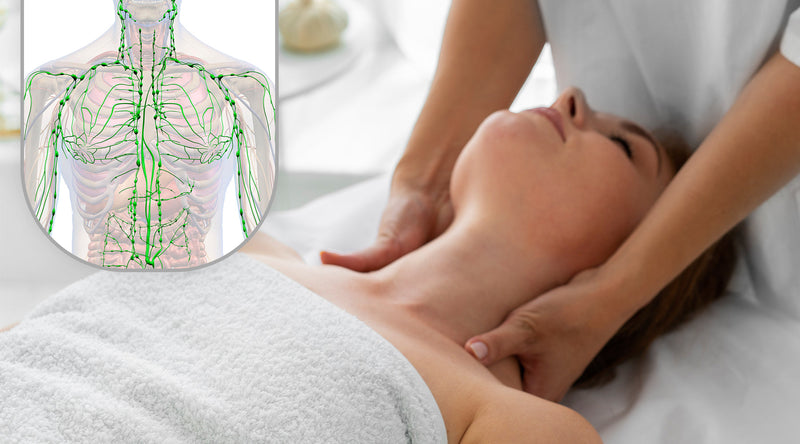
Lymphatic System Regular movement and physical activity help maintain healthy lymphatic circulation.
Natural Detox Pathways at a Glance
|
System |
Main Role |
Helpful Support |
|
Liver |
Processes compounds for elimination |
Balanced meals, adequate protein, limited alcohol |
|
Kidneys |
Filter waste and regulate fluids |
Hydration and electrolyte balance |
|
Digestive system |
Eliminates waste through bowel movements |
Fiber, regular meals, gut-friendly foods |
|
Skin |
Supports temperature regulation and sweating |
Movement, hygiene, and healthy circulation |
|
Lymphatic system |
Helps circulate immune fluid |
Walking, stretching, and gentle exercise |
Can Your Body Detox Naturally?
Yes. Healthy liver, kidneys, digestive function, lungs, and skin work together every day to process and eliminate waste products.
However, if exposure to mold or other environmental contaminants continues, these natural systems may remain under additional stress.
Instead of searching for a miracle detox, a more sustainable approach includes:
-
Reducing ongoing exposure
-
Eating nutrient-dense foods
-
Supporting gut health
-
Staying hydrated
-
Seeking medical guidance when needed
Natural Remedies That May Support Biotoxin Recovery
The following strategies support the body's normal detoxification processes and overall health. They should not be considered treatments for mold-related illness but may complement a healthcare provider's recommendations.
|
Remedy |
How It May Help |
Practical Tip |
|
Reduce exposure |
Lowers the ongoing toxin burden |
Fix leaks, improve ventilation, and address visible mold |
|
Hydration |
Supports kidney function and digestion |
Drink water consistently throughout the day |
|
Whole-food diet |
Provides vitamins, minerals, antioxidants, and fiber |
Build meals around vegetables, protein, and healthy fats |
|
Fiber intake |
Supports regular elimination |
Add oats, beans, chia seeds, and vegetables |
|
Antioxidant-rich foods |
Helps manage oxidative stress |
Include berries, leafy greens, and spices |
|
Gut support |
Encourages healthy digestion and elimination |
Eat slowly, stay regular, and avoid unnecessary irritants |
|
Sleep support |
Helps the body recover and regulate inflammation |
Keep a consistent sleep schedule |
|
Gentle movement |
Supports circulation and lymphatic flow |
Walk, stretch, or do light exercise daily |
|
Stress management |
May reduce inflammatory load |
Use breathing exercises, prayer, journaling, or meditation |
|
Professional guidance |
Helps tailor care to your needs |
Work with a licensed clinician if symptoms persist |
1. Remove or Reduce Ongoing Exposure This is the single most important step. No supplement or detox protocol can compensate for continuous exposure to mold or water-damaged environments. If you suspect mold in your home or workplace, address moisture problems promptly, repair leaks, improve ventilation, and consider professional mold inspection and remediation when appropriate.
2. Stay Well Hydrated Water supports normal kidney function, circulation, and digestion. Drink water consistently throughout the day, increase fluids during hot weather or physical activity, and include electrolyte-rich foods if recommended by your healthcare provider.
3. Prioritize a Whole-Food Diet A nutrient-rich eating pattern supports overall health and provides vitamins, minerals, antioxidants, and fiber. Focus on colorful vegetables, fruits, lean protein, healthy fats, whole grains, legumes, and herbs and spices. Limiting ultra-processed foods and excess added sugar may also support overall wellness.
4. Increase Fiber Intake Fiber supports digestive health and regular bowel movements. High-fiber foods include oats, chia seeds, flaxseeds, lentils, beans, apples, pears, broccoli, and Brussels sprouts.
5. Eat Antioxidant-Rich Foods Oxidative stress may increase during chronic inflammation. Foods naturally rich in antioxidants include blueberries, strawberries, spinach, kale, bell peppers, green tea, turmeric, garlic, ginger, and tomatoes.
6. Support Gut Health The gut plays an important role in digestion, nutrient absorption, and elimination. Helpful habits include eating slowly and chewing thoroughly, including fermented foods if tolerated, avoiding unnecessary antibiotics or irritants when possible, and maintaining regular bowel movements.
7. Prioritize Sleep Sleep is one of the body's most important recovery tools. Keep a consistent bedtime and wake time, reduce screen exposure before bed, keep the bedroom cool and dark, and avoid heavy meals or stimulants late in the day.
8. Move Your Body Gently Regular movement supports circulation, lymphatic flow, and mood. Good options include walking, stretching, yoga, light strength training, and gentle cycling.
9. Manage Stress Chronic stress can affect digestion, sleep, and immune function. Helpful tools include deep breathing, meditation, prayer, journaling, time in nature, and counseling or support groups.
10. Work With a Qualified Healthcare Professional If symptoms are persistent, severe, or confusing, professional guidance can help identify the cause and create a personalized plan.
Foods That Support Detoxification
A balanced diet can support the body's natural detox pathways without relying on extreme cleanses or restrictive protocols.
Best Foods for Biotoxin Recovery
|
Food Group |
Examples |
Why It May Help |
|
Vegetables |
Broccoli, spinach, kale, Brussels sprouts |
Provide fiber, antioxidants, and micronutrients |
|
Fruits |
Blueberries, apples, pears, strawberries |
Offer antioxidants and natural fiber |
|
Protein |
Eggs, fish, poultry, legumes, tofu |
Supports tissue repair and overall resilience |
|
Healthy fats |
Avocado, olive oil, nuts, seeds |
Help with nutrient absorption and satiety |
|
Fiber-rich foods |
Oats, beans, chia, flax |
Support regular elimination |
|
Herbs and spices |
Turmeric, ginger, garlic |
Add flavor and antioxidant compounds |
|
Hydrating foods |
Cucumbers, melons, soups |
Support fluid intake and digestion |
Foods to Limit
Some people feel better when they reduce foods that may worsen inflammation or digestive discomfort, such as ultra-processed snacks, excess added sugar, heavy alcohol intake, and foods that trigger personal sensitivities. It is best to make dietary changes gradually and with professional guidance if you have a medical condition or a history of restrictive eating.
Lifestyle Habits That Promote Recovery
|
Habit |
Why It Matters |
Simple Action Step |
|
Consistent hydration |
Supports kidney and digestive function |
Keep a water bottle nearby |
|
Regular meals |
Helps stabilize energy and blood sugar |
Eat balanced meals at predictable times |
|
Sleep routine |
Supports repair and immune balance |
Go to bed and wake up at the same time daily |
|
Gentle exercise |
Encourages circulation and lymphatic flow |
Take a 20-minute walk |
|
Stress reduction |
May lower inflammatory burden |
Practice 5 minutes of deep breathing |
|
Clean indoor air |
Reduces exposure to irritants |
Use ventilation and address moisture issues |
When Should You Consider Mycotoxin Testing?
Mycotoxin testing may be considered when symptoms persist and there is a strong suspicion of mold exposure, especially if environmental assessment alone does not explain the problem.
Testing may be discussed in functional medicine mold detox plans, but results should be interpreted carefully. A positive test does not always prove that mold is the only cause of symptoms, and a negative test does not always rule out exposure.
Situations Where Testing May Be Helpful
-
You have ongoing symptoms and a history of water-damaged building exposure
-
You are working with a clinician who understands environmental illness
-
You need additional information to guide the next steps
-
You want to compare symptoms with possible exposure patterns
Testing Considerations If testing is recommended, it should be part of a broader plan that includes exposure reduction, symptom management, and medical follow-up when needed.
Supplements Commonly Discussed for Mold and Biotoxin Recovery
Some healthcare providers may recommend supplements as part of a personalized wellness plan. Supplements should never replace removing the source of mold exposure, and they should be used only under the guidance of a qualified healthcare professional.
|
Supplement |
Potential Role |
Important Note |
|
Supports the body's antioxidant defenses |
Consult a healthcare provider before use. |
|
|
N-Acetyl Cysteine (NAC) |
Helps support glutathione production |
Not appropriate for everyone. |
|
Supports a healthy gut microbiome |
Choose products based on individual needs. |
|
|
Omega-3 Fatty Acids |
Supports a balanced inflammatory response |
May complement a healthy diet. |
|
Provides antioxidant support |
Best obtained from food and supplements when appropriate. |
|
|
Magnesium |
Supports muscle, nerve, and energy function |
Speak with your provider about dosage. |
No supplement has been proven to "detox" mold or biotoxins on its own. The greatest benefit typically comes from combining healthy lifestyle habits with professional medical guidance.
When Should You Consider Functional Medicine Lab Testing?

If you've experienced ongoing fatigue, brain fog, digestive concerns, or unexplained symptoms after spending time in a water-damaged building, your healthcare provider may recommend laboratory testing to better understand your health.
Depending on your medical history and symptoms, functional medicine practitioners may consider:
-
Mycotoxin testing
-
Comprehensive gut health testing
-
Micronutrient testing
-
Inflammation-related laboratory assessments
Laboratory testing should always be interpreted alongside your symptoms, medical history, physical examination, and environmental exposure. Results alone do not diagnose mold-related illness.
Questions to Ask Your Healthcare Provider
If you suspect mold or biotoxin exposure, consider discussing these questions during your appointment:
-
Could my symptoms be related to mold or another environmental exposure?
-
Should my home or workplace be inspected for hidden moisture or mold?
-
Would laboratory testing provide useful information in my case?
-
Are there nutritional deficiencies that could be affecting my recovery?
-
What lifestyle changes should I prioritize first?
-
Would meeting with an environmental medicine or functional medicine practitioner be appropriate?
Key Takeaways
Before starting any biotoxin recovery plan, remember these essentials:
-
The first priority is identifying and reducing ongoing mold exposure.
-
There is no single supplement, cleanse, or detox program that removes biotoxins overnight.
-
A balanced diet, hydration, quality sleep, stress management, and regular movement help support your body's natural detoxification systems.
-
Persistent symptoms should always be evaluated by a qualified healthcare professional.
-
Laboratory testing can provide additional information when recommended as part of a comprehensive clinical evaluation.
Related Resources
You may also find these topics helpful as you continue learning about environmental wellness and functional health:
-
Gut Health and the Microbiome
-
Heavy Metal Testing
Frequently Asked Questions
1. What are the most common mold exposure symptoms?
Common mold exposure symptoms may include fatigue, brain fog, sinus congestion, headaches, coughing, wheezing, and skin irritation. Symptoms vary widely and can overlap with many other conditions.
2. Can the body detox from mold naturally?
The body naturally processes and eliminates many compounds through the liver, kidneys, digestive system, skin, and lymphatic system. However, recovery is more effective when ongoing exposure is reduced and supportive habits are in place.
3. What are the best natural remedies for biotoxin detox?
The most helpful natural remedies usually include removing exposure, staying hydrated, eating a whole-food diet, increasing fiber, supporting gut health, sleeping well, and managing stress.
4. Do detox foods really help?
Detox foods do not remove mold on their own, but nutrient-dense foods can support the body's normal detoxification pathways and overall resilience.
5. Is mycotoxin testing always necessary?
No. Mycotoxin testing is not always necessary and should be considered only when it fits the clinical picture. A healthcare professional can help determine whether testing is useful.
6. How long does recovery from mold exposure take?
Recovery time varies depending on the length of exposure, the severity of symptoms, overall health, and how quickly the source is addressed. Some people improve within weeks, while others need longer support.
7. Can supplements replace exposure removal?
No. Supplements may support overall health, but they cannot replace the need to remove or reduce ongoing exposure to mold or moisture damage.
8. When should I see a doctor?
You should seek medical care if you have persistent symptoms, breathing problems, worsening sinus issues, severe headaches, or concerns about significant mold exposure.
Conclusion
Recovering after mold or biotoxin exposure is rarely about finding a single "detox" solution. Instead, it involves identifying potential sources of exposure, supporting your body's natural detoxification systems, eating a nutrient-rich diet, maintaining healthy lifestyle habits, and seeking professional medical guidance when symptoms persist.
If you're looking for a deeper understanding of your health, advanced functional medicine laboratory testing may provide valuable insights that help you and your healthcare provider create a personalized wellness plan. Combined with healthy daily habits and reduced environmental exposure, informed testing can be an important step toward long-term recovery and overall well-being. Explore more wellness solutions at Be So Well